Advanced Level 100% Job Success Top Rated

Gutenberg Developer for Hire

Custom Gutenberg blocks, Full Site Editing templates, and block-based WordPress themes - built to a standard that holds up after client edits.

5+Years Experience
40+Projects Delivered
100%Job Success Score
5+Years on Upwork
Answer Block

What is Gutenberg?

What is Gutenberg and what can it do?

Gutenberg is the block-based editor that has been the default WordPress editing experience since WordPress 5.0 in 2018. It replaces the old TinyMCE text editor with a modular block system where every element on a page - headings, paragraphs, images, buttons, columns, queries - is an independent block that can be inserted, moved, and configured individually.

Beyond the editor, Gutenberg has expanded into Full Site Editing (FSE), which allows the entire site - headers, footers, page templates, and archive layouts - to be managed through the block editor using block-based themes. This represents a fundamental shift in how WordPress sites are built and maintained, moving template management from PHP theme files into the visual editor.

I work with Gutenberg at the development level - building custom blocks using the @wordpress/scripts toolchain and ACF Blocks, creating block patterns that editorial teams reuse across the site, building Full Site Editing templates for block themes, and solving the common problem of Gutenberg and page builder conflicts on sites that use both the block editor for content and Elementor or Bricks for page layout.

Available to clients in the US, UK, Australia, Canada, and Europe for Gutenberg block development and WordPress Full Site Editing projects. I work remotely across time zones with async communication and deliver full documentation on every project.

Devansh's Expertise

What I Do with Gutenberg

  • Custom Gutenberg block development using @wordpress/scripts - static and dynamic blocks
  • ACF Blocks for editor-friendly custom blocks without React complexity
  • Block patterns - reusable design layouts registered via PHP or theme.json
  • Block variations and block styles for extending core blocks without custom development
  • Full Site Editing templates and template parts for block-based themes
  • theme.json configuration - global styles, color palette, typography, and spacing scale
  • Dynamic blocks with PHP render_callback for database-driven block content
  • InnerBlocks for nested block layouts where editors insert content into predefined containers
  • Gutenberg conflict resolution with page builders, Classic Editor plugin, and legacy themes
  • Block editor customization - disabling unused blocks, custom block categories, and editor stylesheets
Real-World Applications

What I Build with Gutenberg

Every project ships with clean code, full testing, and clear handover documentation.

Custom Gutenberg Blocks

Blocks built with @wordpress/scripts that appear in the editor alongside core blocks. Editors insert them, configure their fields in the sidebar, and see a live preview in the editor. Static blocks for fixed-output content, dynamic blocks for content pulled from the database at render time.


ACF Blocks

Custom Gutenberg blocks built with ACF PRO - the faster, PHP-first alternative to React blocks. Editors see a clean field interface in the sidebar, the block renders from a PHP template, and the output is clean semantic HTML with no framework overhead. Best for teams already using ACF.

Block Patterns and Template Library

Pre-designed section layouts registered as block patterns - hero sections, feature grids, testimonial rows, CTA blocks, pricing tables. Editors insert complete, on-brand layouts from the block inserter without starting from scratch. Patterns enforce design consistency without restricting editorial flexibility.

Full Site Editing Templates

Header, footer, single post, archive, search, and 404 templates built for block-based themes using the FSE template editor. All managed inside WordPress without touching PHP template files. Combined with theme.json for global style configuration that propagates across every block on the site.

Block Editor Customization

Stripping the editor down to only the blocks and features the client actually needs. Disabling irrelevant core blocks, adding custom block categories, applying an editor stylesheet so the editing experience looks like the front end, and locking blocks so editorial teams cannot accidentally break layouts.

Gutenberg Conflict Fixes

Diagnosing and fixing the most common Gutenberg problems - content showing as HTML after switching from Classic Editor, page builder pages breaking in Gutenberg view, custom meta boxes not saving with the block editor, and blocks throwing JavaScript errors after a WordPress or plugin update.

40+Block Projects
5+Years Experience
100%Job Success Score
WP 6+FSE Compatible
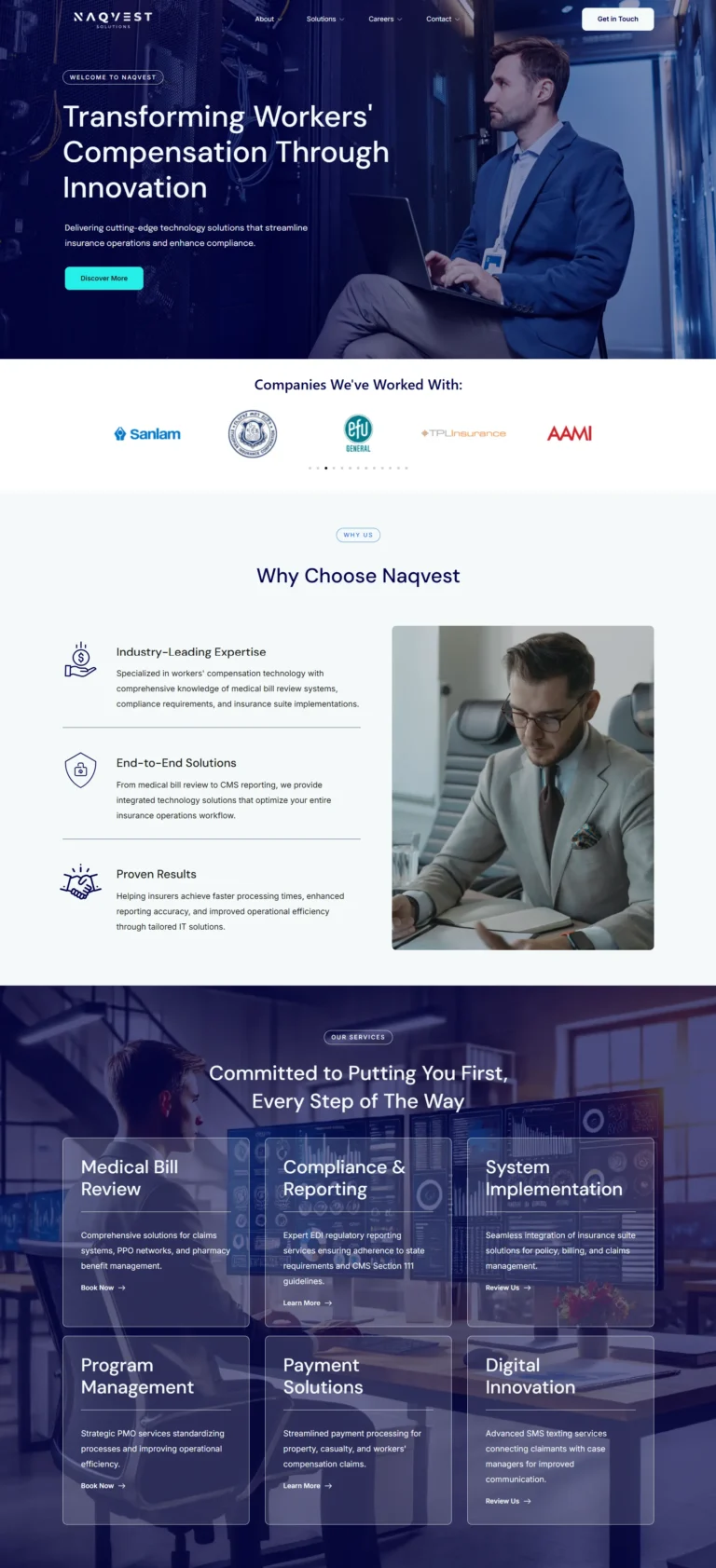
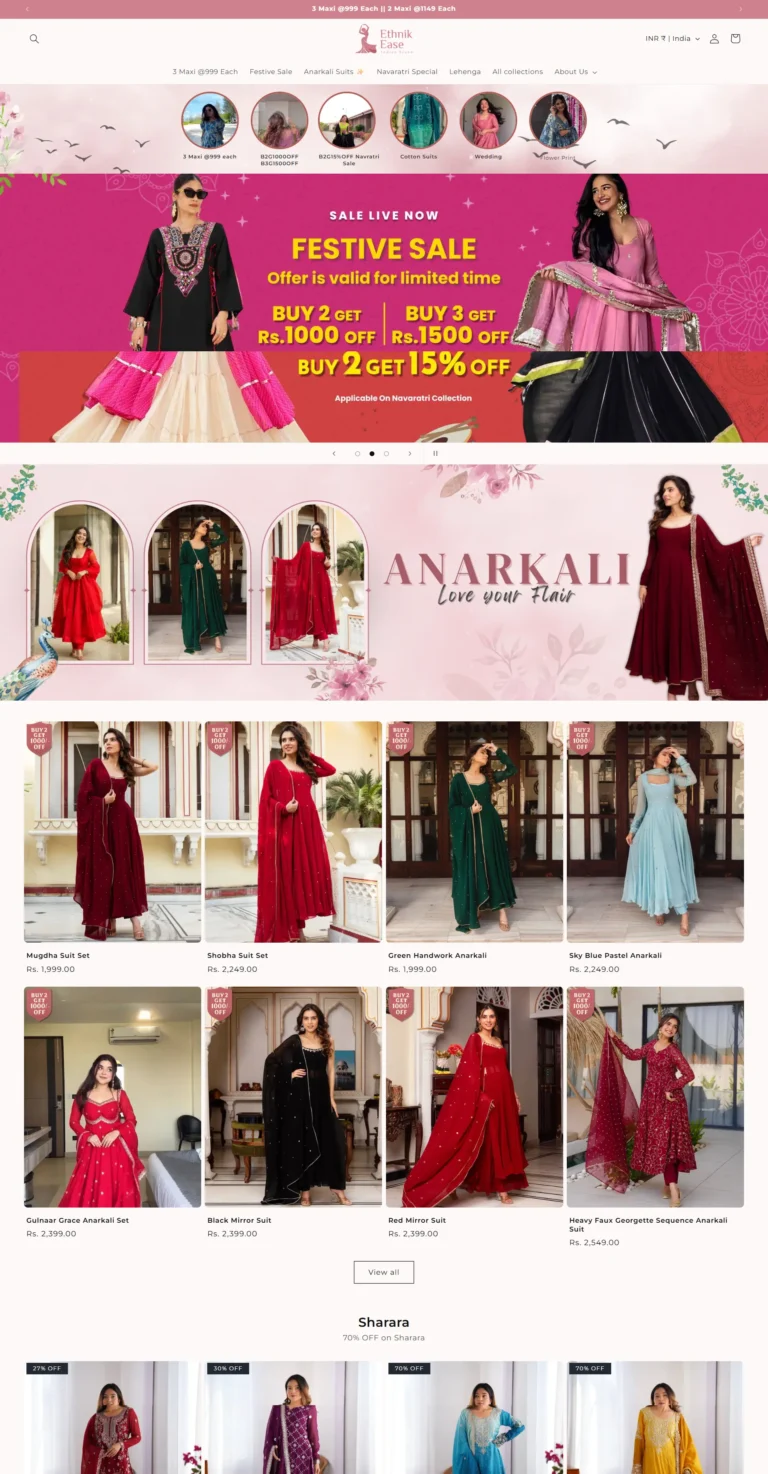
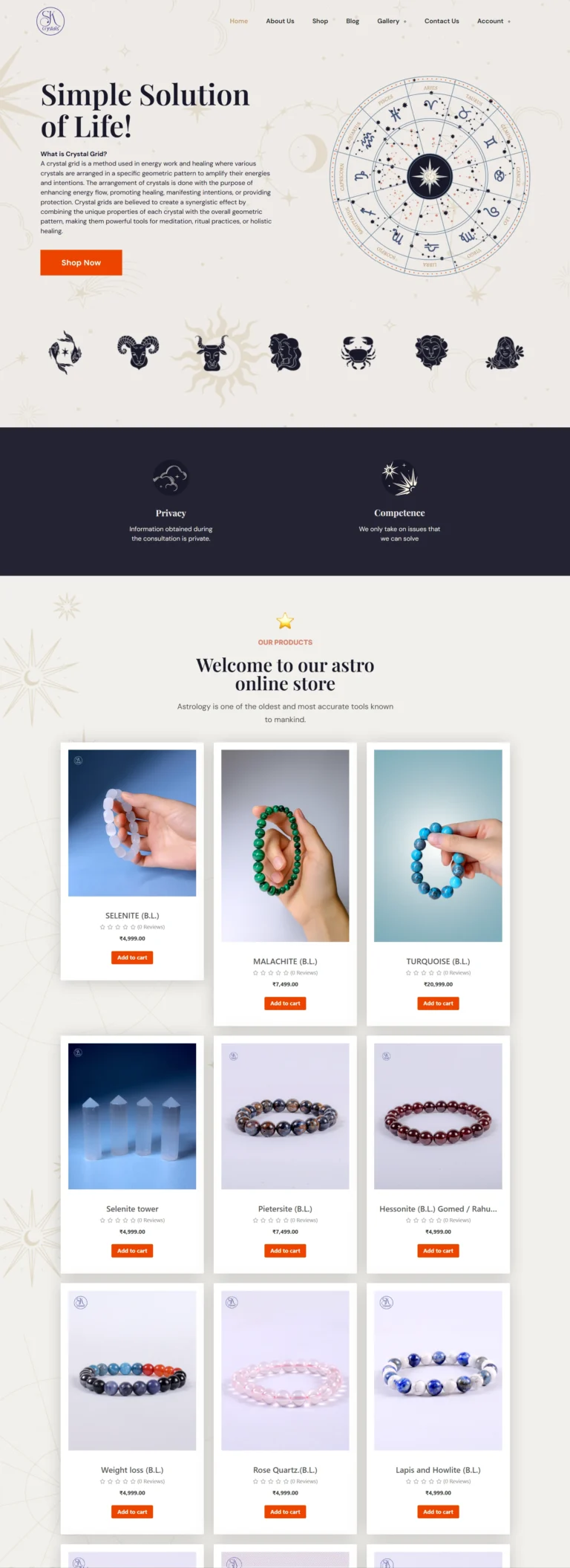
Portfolio

Gutenberg Projects

Real work, real results. Every number comes from live client sites.

View Full Portfolio
Expert vs. Generalist

Why Hire a Gutenberg Expert?

FactorDevanshGeneralist
Gutenberg experience5+ yearsMixed
Performance optimizationBuilt-inOften ignored
SEO-aware structureAlwaysRare
Troubleshooting conflictsFast, reliableTrial and error
CommunicationClear, async-readyVariable
Upwork track record100% JSS, Top RatedUnverified

Gutenberg block development requires a different skill set from plugin or theme development. Building blocks with @wordpress/scripts means working with Webpack, Babel, React, and the WordPress component library - a toolchain most WordPress PHP developers have never touched. ACF Blocks lower the barrier significantly, but still require understanding of how blocks register, how attributes work, and how the editor communicates with the front end.

The other challenge with Gutenberg is the editorial experience. A block that works technically but is confusing for editors creates ongoing support work. I design blocks with the editor in mind - clear labels, sensible defaults, preview states that look like the published output, and locked areas that prevent structural breakage while preserving content flexibility.

Full Site Editing adds another layer. FSE templates built carelessly lock editorial teams into layouts they cannot change without developer access. Built thoughtfully, they give teams full control over content within a structure that keeps the site looking correct regardless of what gets edited.

My Commitment to You

I communicate clearly, meet deadlines, and do not disappear mid-project. If something does not work as expected, I fix it. That is why my Upwork score has stayed at 100% across 100+ projects.

Integrations

Works With

WordPress 6.xACF PRO (ACF Blocks)@wordpress/scriptsFull Site Editing (FSE)theme.jsonTwenty Twenty-Four (block theme)Kadence BlocksGenerateBlocksSpectra (formerly Ultimate Addons)WooCommerce BlocksElementor (hybrid coexistence)Classic Editor pluginNode.js / npm (@wordpress/scripts build)Rank Math SEO (block integration)
FAQ

Common Questions About Gutenberg

If your question is not here, message me via the contact page or WhatsApp. I typically reply within a few hours.

Ask a Question
  • Yes - Gutenberg and the WordPress block editor are the same thing. Gutenberg was the project name during development and the name still used in the plugin repository for the bleeding-edge version. The block editor is what ships in WordPress core.nnGutenberg replaced the Classic Editor (TinyMCE) as the default WordPress editor in version 5.0 in December 2018. It introduced a block-based editing model where every piece of content - headings, paragraphs, images, columns - is an independent block that can be inserted, configured, and rearranged.nnSince 5.0 it has expanded significantly. Gutenberg now powers Full Site Editing, which extends block editing to headers, footers, and page templates. The Gutenberg plugin (installed separately from the WordPress plugin directory) contains features that are in active development before they ship in WordPress core.

  • The right choice depends on who will be maintaining the site and what it needs to do.nnGutenberg is the better choice when: the site is primarily content-driven (blog, news, documentation), the editorial team is comfortable with a block-based interface, you want the lightest possible front-end output with no page builder overhead, or the site uses a block theme and Full Site Editing for template management.nnElementor is the better choice when: the site needs complex visual layouts that Gutenberg's core blocks cannot achieve without custom development, the client needs a visual editing experience for marketing pages rather than editorial content, or the project is a WooCommerce store that benefits from Elementor's WooCommerce Builder templates.nnMany sites use both - Elementor for designed pages and landing pages, Gutenberg for blog posts, news articles, and standard content pages. This hybrid approach is valid but requires clear documentation so editors know which tool to use for what.

  • A static block stores its rendered HTML at the time the editor saves the post. Every time someone views the page, WordPress serves that saved HTML. Static blocks are appropriate for content that does not change based on context - a custom call-to-action block, a styled quote block, a testimonial block with fixed content.nnA dynamic block has a PHP render_callback function that generates the HTML fresh on every page request. The block stores its attributes (configuration values) in the post content, but the output is built at render time by querying the database or processing current data.nnDynamic blocks are necessary when the output needs to be current - a latest posts block, a block that shows the current user's name, a product availability block, or any block whose output depends on data that changes after the post is published. ACF Blocks always use dynamic rendering via a PHP template.

  • Full Site Editing is the extension of Gutenberg's block editor to the entire site structure - not just post and page content but also headers, footers, sidebars, and page templates. FSE requires a block theme (a theme that uses HTML template files with block markup instead of PHP templates).nnWith FSE enabled, site editors can open the Site Editor from the WordPress admin, edit the header block template, add or rearrange blocks in the footer, change the single post template layout, and modify the archive page structure - all without touching a PHP file.nnGlobal styles are managed through theme.json and the Styles panel in the Site Editor - colors, typography, spacing, and button styles set once and applied everywhere.nnFSE is the future direction of WordPress theming. Classic PHP themes will continue to work but new WordPress core investment is focused on FSE.

  • Blocks displaying as raw HTML or 'This block contains unexpected or invalid content' is one of the most alarming Gutenberg error states. It almost always has one of these causes:nnPlugin or theme deactivated that registered the block - when a plugin that registered a custom block is deactivated, WordPress cannot parse the block markup and displays it as raw HTML. Fix: reactivate the plugin, or use the block recovery option to convert to Classic blocks.nnBlock markup modified outside the editor - if someone edited the post_content directly in the database or a migration script processed the content incorrectly, the block comment delimiters get broken. Fix: use the block recovery tool in the editor toolbar to attempt automatic repair.nnSwitching from Classic Editor to Gutenberg on existing content - content written in Classic Editor parses as a single Classic block in Gutenberg, not broken HTML. If it is showing raw HTML, the content has malformed block markup from a partial migration.

  • Install the Classic Editor plugin from the WordPress plugin directory. Once activated, it replaces the block editor with the old TinyMCE editor sitewide.nnYou can configure it per post type: in Settings > Writing, choose whether all users get the Classic Editor or whether users can switch between editors per post.nnImportant: the Classic Editor plugin is officially supported until at least 2024 and still receives updates. However, Full Site Editing and block themes require the block editor to function. If your theme is a block theme, disabling Gutenberg will break the Site Editor.nnFor sites using Elementor or Bricks for page building: you do not need to disable Gutenberg entirely. These builders open their own editor interface when you click Edit with Elementor or Edit with Bricks, bypassing the block editor for those pages while Gutenberg still handles posts and non-builder pages.

  • theme.json is a configuration file in a WordPress theme's root folder that defines the global design system for the block editor and the site's front end. It is the central source of truth for colors, fonts, spacing, and layout.nnWhat theme.json controls: the color palette available in the block editor's color picker, the font families and sizes available as block typography options, the spacing scale used for padding and margin controls, whether certain editor features are enabled or disabled (custom colors, custom font sizes, padding control), global default styles applied to specific block types, and the site's content width and wide alignment width.nnChanges in theme.json propagate to every block on the site automatically. It replaces dozens of add_theme_support() calls that were previously needed in functions.php and produces CSS custom properties that both the editor and front end consume, ensuring the editing experience matches the published output.

  • Block patterns are pre-designed layouts made of multiple blocks that editors can insert with a single click. They appear in the block inserter under the Patterns tab. Once inserted, every block in the pattern is individually editable - patterns are starting points, not locked templates.nnRegistering a custom pattern in PHP:nregister_block_pattern('myplugin/hero-section', [n 'title' => 'Hero Section',n 'content' => '...',n]);nnThe content is the raw block markup for the pattern layout. You can generate it by building the layout in the editor, switching to Code Editor view, and copying the block markup.nnBlock patterns are one of the most underused tools for maintaining design consistency while giving editors genuine flexibility. A well-designed pattern library means editors never start from a blank page.

  • ACF Blocks is the most practical option for building custom Gutenberg blocks without React.nnWith ACF PRO, you register a block in PHP with acf_register_block_type(), define its fields as an ACF field group, and create a PHP template that renders the block's HTML using get_field(). The editor displays the block using a live preview rendered by the PHP template, with an ACF field panel in the sidebar for editing.nnThis approach produces blocks that are identical in behavior to native blocks but built entirely in PHP. No Node.js, no Webpack, no JSX. The output is plain HTML with no React runtime on the front end.nnThe trade-off: ACF Blocks requires ACF PRO and does not support some advanced block features like InnerBlocks nesting. For most content block use cases - testimonials, team members, feature cards, CTAs - ACF Blocks is faster to build and easier to maintain than native React blocks.

  • Gutenberg is generally good for SEO when used correctly, and in some ways better than page builders for SEO output.nnBecause Gutenberg outputs standard HTML from registered block types, the markup is clean, semantic, and predictable. Core blocks like Heading, Paragraph, and List output exactly the HTML elements you expect. There are no extra wrapper divs, no inline CSS framework overhead, and no render-blocking JavaScript unless a plugin adds it.nnThe SEO risks with Gutenberg are editorial rather than technical - editors using Heading blocks at the wrong level (H3 before H2), using Bold text instead of actual heading blocks for visual hierarchy, or adding images without alt text through the Image block. These are solved by editor training and block customizations that enforce correct usage, not by the technology itself.

Ready to Start?

Let's Build Something Great with Gutenberg

Tell me what you need. I will give you an honest assessment, a realistic timeline, and a fixed-scope quote. No surprises.

 5.0 on Upwork - Top Rated - 100% Job Success Score