
WordPress Speed Optimization That Lifts Real Rankings and Conversions
Real PageSpeed lifts of 25 to 60 points, Core Web Vitals that actually pass on mobile, no broken functionality. WordPress Speed Optimization by a Top Rated freelancer with measurable wins for clients worldwide.
- PageSpeed lifts of 25 to 60 points
- Core Web Vitals passing on mobile
- No broken layouts or features
- Real before-and-after data

What is WordPress Speed Optimization?
WordPress Speed Optimization is the technical work of making a WordPress site load faster on every device and connection. It covers hosting, page caching, object caching, image optimization, JavaScript and CSS delivery, database tuning, plugin audits, Core Web Vitals tuning, and CDN configuration. Done properly, it lifts PageSpeed scores by 25 to 60 points and improves real-user metrics like LCP, INP, and CLS, which directly affect Google rankings and conversion rates.
What's making your WordPress site slow
Most slow WordPress sites have the same five problems, layered on top of each other. The damage shows up as failing Core Web Vitals, dropped rankings, abandoned visitors, and lost conversions.
Cheap shared hosting
High TTFB and slow database responses. The fastest cache cannot save a slow server. Hosting is often the first fix needed.
Plugin bloat
Every plugin loads CSS and JavaScript on every page. 30+ plugins compounded with all-in-one suites destroys performance silently.
Unoptimized images
Multi-megabyte hero images, no WebP or AVIF conversion, no lazy loading. A single bad image can drop PageSpeed by 15 points.
Render-blocking JavaScript
Page builder JS, third-party tracking, and live chat widgets block the main thread. INP fails on mobile, conversions drop.
Database bloat
Expired transients, post revisions, abandoned carts, and orphaned metadata add 500ms+ to every page load over time.
Wrong caching configuration
Default cache settings break logged-in views, cart pages, or AJAX. Misconfigured caching can be worse than no caching at all.
Everything included in a speed optimization
PageSpeed audit + diagnosis
Real audit identifying the actual bottlenecks in your specific site, not generic checklist items. CrUX data, lab tests, manual review.
Hosting + server review
TTFB analysis, PHP version check, database engine review. Recommendations for migration if hosting is the actual problem.
Caching configuration
LiteSpeed, WP Rocket, or host-level caching configured properly without breaking logged-in views, carts, or AJAX behavior.
Image optimization
WebP and AVIF conversion, responsive srcset, lazy loading below fold, CDN delivery. Hero images optimized manually.
JavaScript + CSS optimization
Defer non-critical JavaScript, remove unused CSS per page, inline critical CSS, eliminate render-blocking resources.
Database optimization
Clear expired transients, optimize post revisions, add proper indexes, vacuum bloat from wp_options and wp_postmeta.
Plugin audit + cleanup
Identify which plugins are actually slowing the site. Recommend leaner alternatives. Remove abandoned or unused plugins.
Core Web Vitals tuning
LCP under 2.5s, INP under 200ms, CLS under 0.1. Real targets, real measurement, real ranking signal improvement.
Before/after report + handover
Detailed report showing PageSpeed before vs after, list of changes made, monitoring recommendations, 30 days of bug fixes.
How a WordPress speed project goes from audit to results
-
01
Initial speed audit
I run PageSpeed Insights, GTmetrix, and review CrUX data from Search Console. Then I manually inspect your hosting, plugins, and theme to find the actual bottlenecks.
Day 1, 2-4 hours -
02
Diagnosis report
You receive a written report listing the top issues, their impact, and the recommended fixes. Fixed quote and timeline included.
1-2 business days -
03
Hosting + caching setup
If hosting needs change, I migrate. Otherwise, I configure caching properly for your specific site, ensuring carts and logged-in views still work.
1-3 business days -
04
Image + asset optimization
Bulk image conversion to WebP/AVIF, lazy loading setup, CDN configuration. JavaScript and CSS optimized without breaking layouts.
1-2 business days -
05
Database + plugin cleanup
Database optimization, plugin audit with recommendations, removal of bloat. Custom theme code reviewed for performance issues.
1 business day -
06
Verification + handover
PageSpeed re-run, GTmetrix re-run, CrUX monitoring set up. Detailed before/after report delivered. 30 days of free bug fixes included.
Final day + 30 days
The WordPress speed stack I work with
I pick tools based on what your site actually needs, not what's trending or what comes pre-installed. Most speed projects use the technologies below in the right combination for your hosting, builder, and traffic profile.
Real projects, real outcomes
Recent work delivered for clients worldwide.

Multilingual WordPress Site Built From Scratch: Custom Theme, Video-Led Pages, Two Languages
A custom-built bilingual WordPress site for a Spanish smart glass and transparent LED manufacturer. Custom theme, square-metre product configurator, video-led presentation, and…
Read case study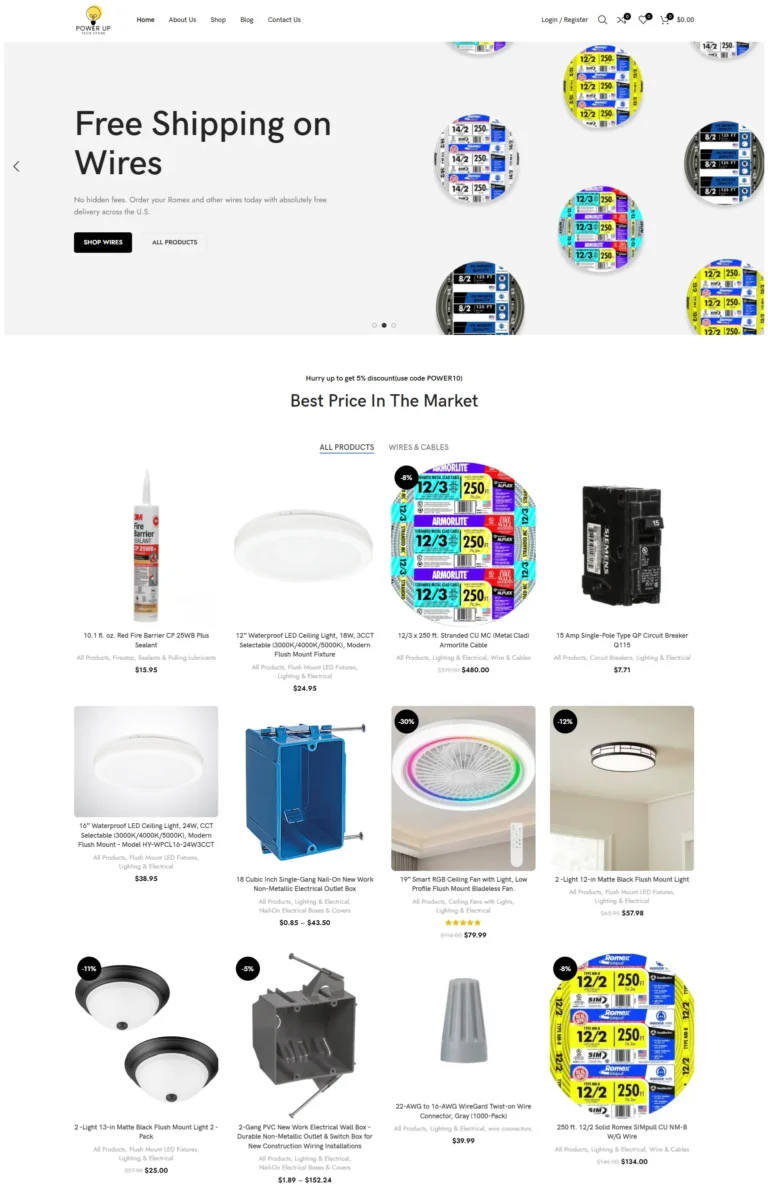
PowerUp Tech Store
High-performance WooCommerce store for electrical products with dynamic catalogs, advanced filters, and optimized checkout.
Read case study
Naqvest Solutions
Technology-driven corporate platform showcasing insurance and workers compensation solutions with B2B lead generation.
Read case studyReal numbers from real WordPress speed projects
What clients say
Excellent work! Very trustworthy. Thank you!
I recommend and would always work again with him. If you need somebody who has an eye for details and understands the full concept then you will be happy to land him, very punctual and…
Thank you for excellent work. Very responsive and original work. I liked that the developer did not require much guidance on design issues and was able to come with innovative solutions.
Transparent speed optimization pricing
Three options cover most needs. From a focused audit to identify your top issues, to a full optimization, to ongoing monthly speed monitoring for high-traffic sites.
Speed Audit
Identify your top issues with a focused audit
- PageSpeed audit on 3 key pages
- GTmetrix and C
- UX data review
- Top 10 issues identified
- Written diagnosis report
- Recommendations prioritized by impact
- Fixed quote for full optimization
- 1 follow-up call
- Delivered in 2-3 business days
Full Optimization
Most popular: complete speed overhaul
- Full speed audit across the site
- Hosting + caching configuration
- Image optimization (WebP/AVIF, lazy loading)
- JavaScript and CSS optimization
- Database cleanup and indexing
- Plugin audit with leaner alternatives
- Core Web Vitals tuning (LCP, INP, CLS)
- CDN setup if needed
- Before/after report with real metrics
- 30 days of free bug fixes
- Delivered in 5-10 business days
Ongoing Speed Care
For high-traffic sites that need monitoring
- Full optimization (everything in Growth tier)
- Plus monthly performance audits
- PageSpeed and Core Web Vitals monitoring
- CrUX field data tracking
- Plugin update regression testing
- Quarterly database maintenance
- Asset and CDN optimization tuning
- Priority response on speed regressions
- Monthly performance report
- Cancel anytime
- Ongoing partnership
All prices in USD, fixed-quote per project, no hidden fees. Custom quotes for very large sites (1000+ pages), high-traffic stores, or multi-site networks. Hosting migration, premium plugin licenses, and CDN subscriptions not included unless agreed.
Plugin install vs professional speed optimization
Everything you need to know about WordPress Speed Optimization
WordPress Speed Optimization is the technical work of making a WordPress site load fast on every device, on every connection, every time. Done properly, it turns a sluggish site into a ranking, converting machine. Done badly, it breaks pages without measurable improvement. This guide explains what real speed optimization includes in 2026, what it should cost, and how to evaluate the developer doing it.
I’m Devansh Thakkar, a Top Rated freelancer on Upwork with 7+ years of experience and 250+ projects delivered. WordPress Speed Optimization is one of my core specialties, with measurable speed wins shipped for clients across the United States, United Kingdom, Australia, and beyond. Every speed project follows the same standard: real before-and-after numbers, no broken functionality, and Core Web Vitals that actually pass on mobile.
What WordPress Speed Optimization Actually Includes
Modern WordPress Speed Optimization covers eight distinct areas. Most slow sites have problems in four or five of them. A real speed audit identifies which problems are actually costing you points, then fixes those specifically.
Hosting and Server-Level Performance
The fastest cache will not save a slow server. Hosting choice, PHP version, database engine, and TTFB (time to first byte) form the foundation. Sites on cheap shared hosting often need a host migration before any other optimization makes a difference. Quality hosts in 2026 include Hostinger, Cloudways, WP Engine, and Kinsta.
Page and Object Caching
Page caching converts dynamic PHP into static HTML for repeat visits. Object caching with Redis or Memcached stops repeated database queries. LiteSpeed Cache, WP Rocket, and host-level caching all work when configured correctly. Misconfigured caching breaks logged-in views, cart pages, or AJAX behavior, which is why default settings rarely work for real sites.
Image Optimization
Images are usually the biggest payload on any page. Modern WordPress Speed Optimization includes WebP or AVIF conversion, responsive srcset, lazy loading below the fold, and CDN delivery. A single unoptimized hero image can drop PageSpeed by 15 points on its own.
JavaScript and CSS Optimization
Render-blocking JavaScript is the most common cause of failing Core Web Vitals on mobile. Real optimization means deferring non-critical JS, removing unused CSS per-page, inlining critical CSS, and avoiding the trap of “minify everything” plugins that break Elementor or builder layouts.

Database Optimization
WordPress databases bloat over time with post revisions, expired transients, abandoned cart data, and orphaned metadata. A 50,000-row wp_options table or 200 MB of expired transients can add 800ms to every page load. Database optimization clears the bloat and adds proper indexes for MySQL queries that were running unindexed.
Plugin and Theme Audits
One bad plugin can destroy site performance. Common offenders include all-in-one suites that load everywhere, abandoned plugins, and themes that ship with WPBakery or unoptimized assets. A speed audit identifies which plugins are slowing the site and proposes leaner alternatives.
Core Web Vitals Tuning
Google’s Core Web Vitals are LCP (largest contentful paint), INP (interaction to next paint, replacing FID since March 2024), and CLS (cumulative layout shift). Each has specific causes and specific fixes. WordPress Speed Optimization that ignores Core Web Vitals fails the actual ranking signals Google uses.
CDN and Edge Delivery
A CDN moves static assets closer to the user. Cloudflare is the default choice and now includes free image optimization, automatic minification, and edge caching at no extra cost. Properly configured Cloudflare alone can lift PageSpeed by 10 to 20 points for international visitors.
How Much Should WordPress Speed Optimization Cost?
Speed services span a wide price range based on scope. A focused speed audit identifying the top 10 issues should cost $149 to $249. A full optimization that implements all the fixes runs $299 to $599 for most sites. Ongoing speed monitoring and quarterly tuning programs typically run $99 to $499 per month depending on site size and traffic.
Beware of pricing that seems too good. A $49 “speed optimization” is usually one plugin install with no real audit, no manual fixes, and no measurable result. The pattern looks fast for two weeks then degrades back to baseline because the underlying problems were never addressed.
The Real Cost of a Slow WordPress Site
Slow sites cost real money in measurable ways. The cost compounds because Google’s algorithm uses Core Web Vitals as a ranking factor, so slow sites lose visibility, which loses traffic, which loses conversions.
- Conversion rates drop 7 percent for every additional 100ms of page load time, which adds up fast on e-commerce stores.
- Bounce rates increase sharply past 3 seconds. Mobile visitors abandon at 53 percent when pages take longer than 3 seconds to load.
- Search rankings decline as Core Web Vitals fail. Even with great content, sites that fail CWV lose ground to faster competitors.
- Ad costs increase because Quality Score on Google Ads partly depends on landing page speed. Slow pages literally cost more per click.
- Crawl budget shrinks for slow sites, which means Google indexes fewer pages, which limits SEO upside.
- Customer trust erodes because slow sites feel cheap. Even visitors who do not consciously notice the speed react to it emotionally.
The cost of a slow WordPress site is not the speed itself. It is the rankings, conversions, and revenue you will never know you lost because visitors left before they ever saw your offer.
Who Needs WordPress Speed Optimization?
Not every site needs aggressive optimization. A personal blog with no monetization can ignore PageSpeed. WordPress Speed Optimization becomes worth the investment when any of the following apply.
Your site sells products or services online and conversion rate matters. A 30-point PageSpeed lift typically translates to a 15 to 25 percent conversion rate improvement on e-commerce stores. Your site needs to rank in Google for competitive keywords. Core Web Vitals are a confirmed ranking factor and slow sites fall behind faster competitors.
You spend money on Google Ads or social ads. Slow landing pages destroy ROAS through poor Quality Score and high bounce rates. You depend on the site for leads and visitors are abandoning before contact forms load. You operate at high traffic volumes where even small percentage improvements translate to meaningful revenue gains.
How to Choose a WordPress Speed Optimization Specialist
The freelance market is crowded with people who claim to do WordPress Speed Optimization. Most just install plugins and report whatever score the plugin shows. Look for these signals when hiring a real specialist.
Real before-and-after data, not just plugin claims. A genuine speed specialist shows actual PageSpeed Insights screenshots, GTmetrix reports, and field data from Google PageSpeed Insights with real CrUX numbers, not just lab data. Lab tests can be gamed; real-user data cannot.
Verified third-party reviews. Client reviews on platforms like Upwork carry weight because they cannot be faked. A Top Rated badge with 100% Job Success across multiple speed-focused projects is a strong filter. Knowledge of multiple caching systems, hosting platforms, and CDN configurations rather than a single plugin’s recommendations.

WordPress Speed Optimization Trends in 2026
The WordPress performance landscape evolves fast, and the trends shaping speed work in 2026 split between technical and measurement directions. Ignoring them puts sites at a disadvantage from launch day.
INP (Interaction to Next Paint) replaced FID as the responsiveness metric in March 2024 and is now the dominant Core Web Vitals factor for many sites. Sites that passed FID often fail INP because the metric measures all interactions, not just the first one. AVIF image format adoption is now broad enough that most CDNs support automatic conversion, delivering 30 to 50 percent smaller files than WebP.
Edge computing through Cloudflare Workers and similar platforms allows running custom logic at the CDN layer, eliminating round trips to the origin server. Modern caching plugins like LiteSpeed Cache and WP Rocket added intelligent JavaScript delay, which defers third-party scripts until user interaction. AI-driven asset optimization through services like Cloudflare’s Mirage and Polish automates tasks that previously required manual tuning.
WordPress Speed Maintenance and Monitoring
Speed optimization is not a one-time fix. WordPress sites slow down over time as content grows, plugins update, third-party scripts get added, and traffic patterns change. A site optimized to PageSpeed 95 in January often drops to 70 by June without active monitoring.
Monthly performance audits using PageSpeed Insights and GTmetrix should run on the homepage, a sample inner page, and any critical conversion pages. Field data from Search Console’s Core Web Vitals report shows real user experience, which can differ significantly from lab tests. Catching regressions early prevents them from compounding into major rebuilds.
Plugin updates need to ship with performance regression testing. New plugin versions sometimes ship with bloat or break previous optimizations. Database optimization to clear expired transients, post revisions, and orphaned metadata should run quarterly. Most sites accumulate 50 to 200 MB of database bloat per year without active cleanup.
WordPress Speed Optimization vs DIY Plugin Installs
Most site owners try the DIY route first. They install WP Rocket or LiteSpeed Cache, enable a few options, and check PageSpeed. The score moves from 30 to 55, and they declare the project done. Six months later, the site is back to 35 and they cannot figure out why.
The difference between DIY plugin installs and professional WordPress Speed Optimization comes down to three things. Real diagnosis identifies the actual bottleneck, which might be hosting, a single plugin, an unoptimized image, or a slow database query, rather than blanket-applying the same fixes to every site. Manual fixes address root causes that no plugin can fix automatically, like restructuring how a builder loads assets or rewriting a custom theme function. Verification through real-user metrics from Search Console and CrUX confirms the optimization actually worked for real visitors, not just for the testing tool.
For sites where speed genuinely matters, professional optimization pays back through measurable conversion lifts, ranking improvements, and lower ad costs. For low-traffic personal sites, DIY plugin installs are often enough. The right choice depends on what the site is actually worth.
Get a WordPress Speed Optimization Quote Today
If you’re ready to discuss your site, the next step is a free 30-minute discovery call. We’ll review your current PageSpeed scores, identify the most likely bottlenecks, and discuss what realistic improvement looks like. Within 48 hours of that call, you’ll receive a fixed-quote scope with a clear timeline, deliverables, and the projected speed lift.
You can also browse my portfolio of recent work to see real before-and-after speed results across industries, or read what past clients have said about working with me on speed projects.
WordPress Speed Optimization questions, answered
How much does WordPress Speed Optimization cost?
How much can my PageSpeed score improve?
Will speed optimization break my WordPress site?
How long does WordPress Speed Optimization take?
Do I need to change hosting for speed optimization?
What about Elementor or Bricks Builder speed?
Can you optimize WooCommerce store speed?
Will Cloudflare alone make my site fast?
What's included in 30-day post-optimization support?
How do I know the optimization actually worked?
More to dig into
-
Expert in WordPress: 10 Simple Tests of Proven Skill
What separates an expert in WordPress from a confident implementer: five layers of skill, ten plain questions that...
Read article -
Hire Dedicated WordPress Developer: 6 Proven Rules, 1 Risk
How the dedicated model actually works: the 20/60/140 Rule for sizing a retainer, real 2026 cost math against...
Read article -
Hire Best WordPress Developer: Avoid 9 Costly Mistakes
A working developer's method for vetting WordPress developers: a 5-minute source-code test, the 9 mistakes that cost the...
Read article
-
Divi Website Development
Divi Website Development by a Top Rated freelancer specializing in Divi 5 native architecture. Variable Manager design tokens,...
View service -
WordPress Development Services
Custom WordPress Development by a Top Rated freelancer with 7+ years and 250+ projects delivered. Clean code, real...
View service -
Elementor Website Development
Elementor Website Development by a Top Rated freelancer specializing in performance-tuned Elementor Pro builds. Theme Builder for full-site...
View service
Ready to start?
Book a free 30-minute call. No pitch, no pressure. We discuss your project and decide if we're a fit.