The Commission Problem Is Bigger in Travel Than Anywhere Else
Booking.com takes 15 to 25 percent. Viator and GetYourGuide take 20 to 30 percent on tours and experiences. Expedia and Airbnb take their cut from both the traveller and the operator in some markets. For a tour operator generating $300,000 in annual bookings, the platform commissions alone represent $60,000 to $90,000 leaving the business every year. Most operators accept this because building and driving traffic to a direct booking website feels harder than listing on an established platform. It is not easier in the short term – but the businesses that invest in a direct booking website and a content-driven traffic strategy are the ones that compound value over years rather than permanently subsidising a platform business that competes with them for the same travellers.
Tour and Experience Pages That Sell the Feeling, Not Just the Itinerary
A traveller booking a tour is not buying a list of activities. They are buying an experience they want to remember. Tour and experience pages that describe an itinerary in bullet points – “9am: depart hotel, 10am: arrive at waterfall, 12pm: lunch” – communicate logistical information but create no desire. The pages that convert describe the sensory and emotional experience of the tour: the light on the canyon at dawn, the sound of the rainforest, the moment the guide explains something that changes how you see the place. I build tour pages with narrative-first description followed by practical details, not the other way around. The practical details (duration, group size, inclusions, accessibility, pickup logistics) are essential and must be complete, but they follow the experience description rather than leading with it.
Direct Booking Engines That Manage Availability and Process Payment
A tour operator website without a direct booking engine is a brochure, not a business tool. I integrate booking engines including Rezdy, FareHarbor, Bookeo, Checkfront, and Regiondo depending on your tour type, availability complexity, and existing operator software. The booking engine sits embedded within your WordPress tour pages – not a redirect to a third-party booking page with a different domain and visual language. Availability calendars, group size selection, add-on options, and payment processing all happen within your brand environment. For operators managing multiple tour types with different capacity limits and seasonal pricing, the booking engine handles the complexity in the back end while presenting a clean, simple booking experience to the traveller on the front end.
Destination Content That Captures Travellers Early in the Research Phase
A traveller planning a trip to your destination starts their research months before they book anything. “Best time to visit [destination],” “what to do in [region] in 5 days,” “is [destination] worth visiting,” “hidden gems in [area]” – these searches happen long before any booking intent. A tour operator or tourism business that publishes genuinely useful, specific destination content captures travellers at this early research stage, builds brand recognition over the weeks they spend planning, and is the natural first call when they decide to book a guided experience or activity. I build destination content strategies that target the research phase queries specific to your market, with internal links from every destination article to the relevant tour and booking pages that complete the funnel.
Review and Social Proof Systems That Build Booking Confidence
Travel purchases carry higher stakes anxiety than most consumer decisions – the traveller is spending significant money on an experience that cannot be returned if it disappoints, often in an unfamiliar destination where they are relying on the operator entirely. Reviews reduce this anxiety more effectively than any marketing copy. I build review display systems on travel websites that pull verified reviews from TripAdvisor, Google, and Viator via their embed tools, and supplement with direct testimonials collected after tour completion. Review schema on tour pages displays your star rating directly in Google search results for branded and tour-specific searches. For operators with a high review volume and consistently strong ratings, the review display on the tour page is often the single element that tips an undecided traveller from “considering” to “booked.”
Photography and Video That Do the Work That Copy Cannot
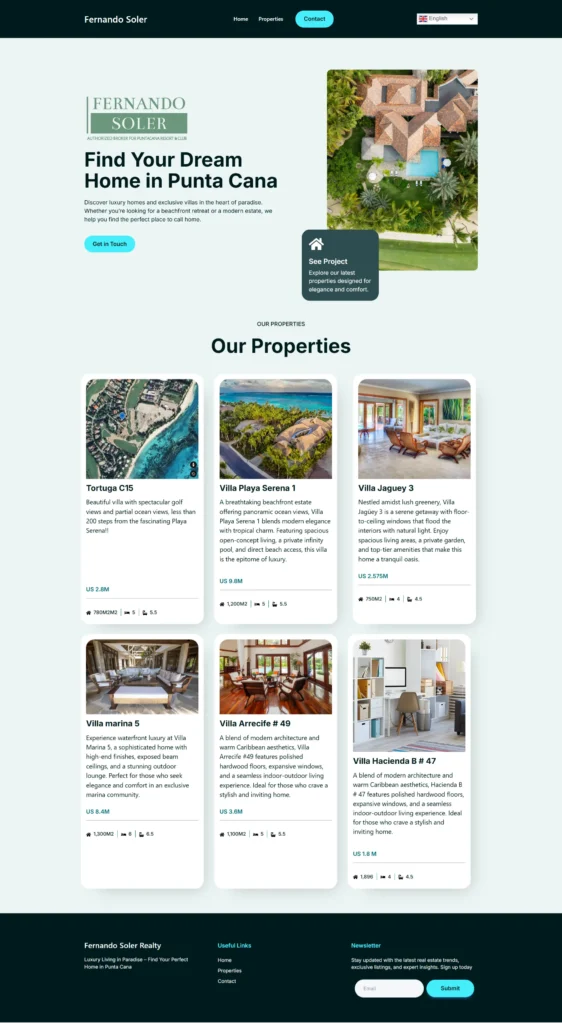
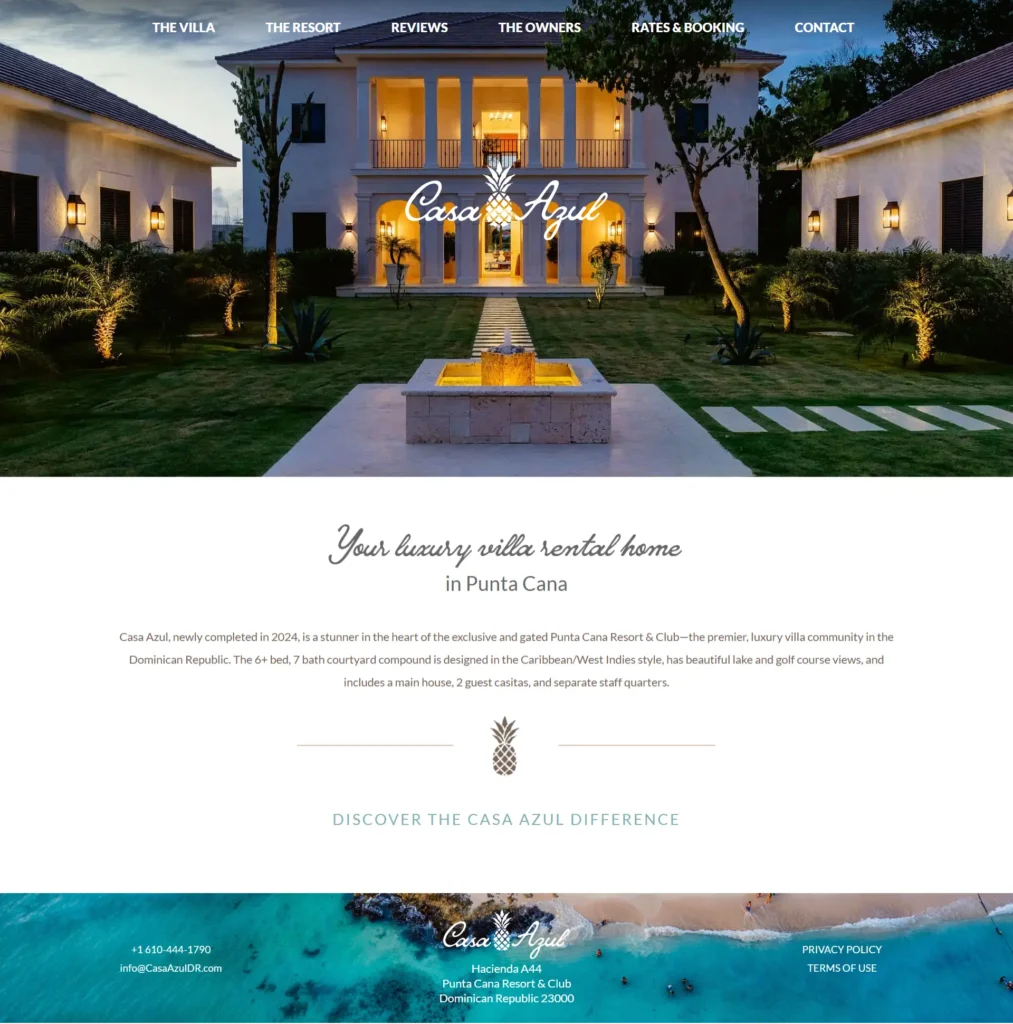
Travel and tourism is the sector where photography most directly determines conversion. A traveller choosing between two tours of similar price and itinerary will choose the one whose photography makes them feel something about the experience. This is not a creative opinion – it is measurable in conversion rate data. I build travel websites with photography as the primary design constraint: full-width immersive heroes for each tour and destination page, gallery sections that show both the landscape and the people experiencing it, and video integration where footage exists. On the technical side, every image is served as WebP at responsive sizes, with lazy loading on gallery sections so the initial page load is fast despite the visual density. Professional photography of your tours is the highest-ROI investment a travel business can make, and the website should present it at its best.
Multi-Currency, Multi-Language, and International Traveller Considerations
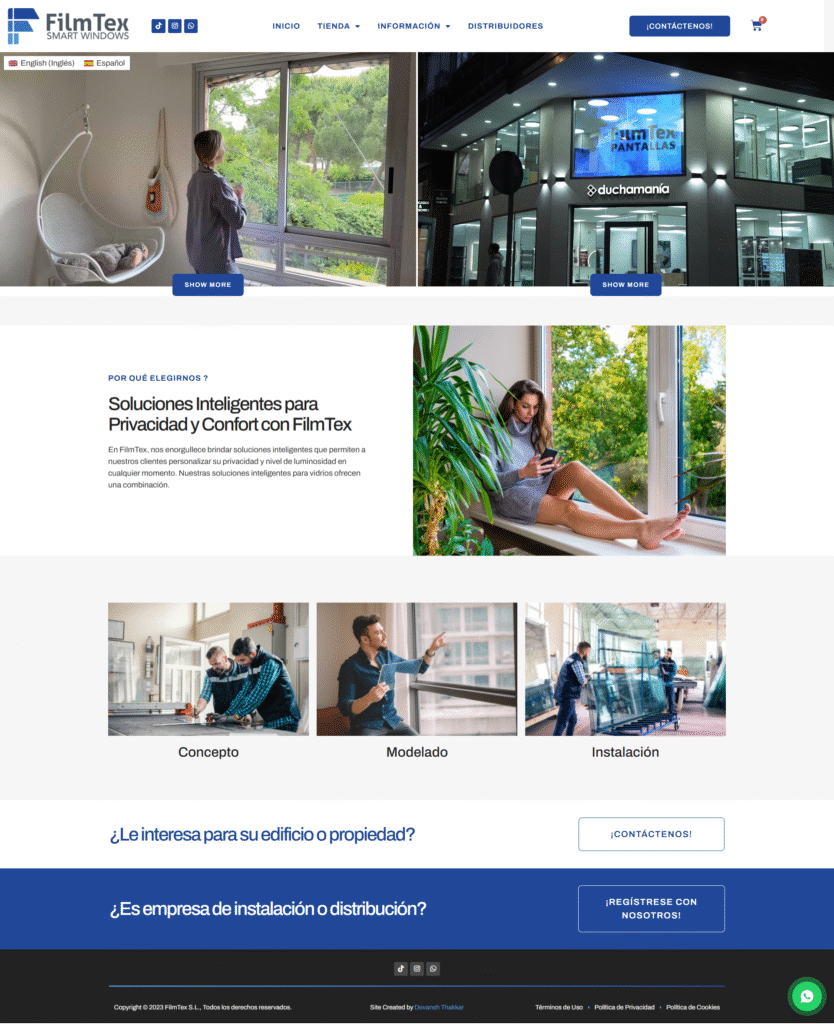
Tour operators serving international travellers face website requirements that domestic service businesses do not. Currency display – showing prices in the traveller’s local currency rather than the operator currency – is a significant conversion factor, particularly for price-sensitive bookings. Language options for travellers who browse in their native language before switching to English for the final transaction are worth considering for operators with significant non-English markets. I implement currency switching using the visitor location and browser preference as signals, with the booking engine configured to accept payment in the operator currency while displaying the approximate equivalent in the traveller’s currency. For multi-language requirements, I build the WordPress site with WPML or Polylang and advise on which languages justify the content investment based on your actual traveller market data.