Cosmetic Medicine Patients Research Longer and More Carefully Than Almost Any Other Healthcare Consumer
A person considering anti-wrinkle injections, dermal fillers, laser resurfacing, or a skin treatment programme makes one of the most trust-dependent healthcare decisions outside of surgical medicine. They are not experiencing a medical emergency that creates urgency – they are voluntarily choosing to undergo a procedure that carries both the hope of a meaningful aesthetic improvement and the risk, however small, of an outcome they will see on their own face every day. This combination of elective choice, visible result, and genuine medical risk produces a research behaviour that is longer, more thorough, and more sceptical than almost any other healthcare search. The clinic that earns this patient’s trust through its website – through verified practitioner credentials, clinical transparency about procedures and risks, authentic result photography, and genuine patient communication that treats the prospective patient as an intelligent adult making an informed decision – wins the consultation that eventually converts to a loyal, high-LTV client relationship.
Treatment-Specific Pages Built for Informed Consent and Commercial Intent Simultaneously
Cosmetic medicine searches are treatment-specific and often question-driven: “anti-wrinkle injections cost [city],” “how long do lip fillers last,” “what is the difference between Botox and Dysport,” “laser resurfacing recovery time,” “PDO thread lift [suburb],” “PRP treatment for hair loss [region],” “hydrafacial vs microdermabrasion.” Each of these represents a patient at a different research stage with a different specific question. I build individual treatment pages for every procedure the clinic offers, each structured around the questions a prospective patient has at the research stage: what the treatment involves, what conditions or concerns it addresses, who is an ideal candidate, what results are realistic and in what timeframe, what the recovery or downtime involves, how long results last, how the treatment compares to alternatives, what contraindications exist, and the approximate cost range. This content serves both the SEO function of capturing treatment-specific searches and the informed consent function of ensuring patients arrive at their consultation with realistic expectations – reducing post-treatment dissatisfaction that is almost always a function of mismatched expectations rather than clinical outcome.
Practitioner Credentials and Medical Oversight Pages That Are Non-Negotiable in This Industry
Cosmetic and aesthetic medicine in Australia is undergoing significant regulatory change. The TGA’s Therapeutic Goods Legislation Amendment (2023) restricted the prescribing and administration of prescription cosmetic injectables (botulinum toxin and hyaluronidase) to medical practitioners with specific training. State-level regulatory bodies have additional requirements for who can administer which procedures under what supervision. A cosmetic medicine clinic website that does not clearly display the medical qualifications of its practitioners, their prescribing authority, their AHPRA registration number, and the clinical oversight structure of the practice is creating both a compliance risk and a trust deficit that informed patients will identify. I build practitioner credential sections displaying medical degrees, specialist qualifications, AHPRA registration details, cosmetic medicine training credentials (Allergan Master Injector, Galderma aesthetics training, or equivalent), and where the business model involves nurse injectors working under medical supervision, the medical director’s name and prescribing role in the clinic. These credentials are displayed prominently on treatment pages, the about page, and the homepage – not buried where the prospective patient doing due diligence has to search for them.
Before and After Gallery Pages Built for TGA Compliance and Conversion
Before and after photography is the primary conversion driver in cosmetic medicine – it is the evidence that the outcomes being described actually occur in real patients at this clinic. It is also the content category most likely to attract a TGA compliance complaint in Australia if not handled correctly. The TGA prohibits advertising therapeutic goods using testimonials, and the rules around before and after imagery for prescription treatments including botulinum toxin products are specific and restrictive. I build before and after gallery sections with the compliance structure that Australian cosmetic medicine advertising standards require: images restricted to outcomes from treatments not involving prescription products in public-facing advertising, or managed within the specific TGA exemptions for healthcare professional communications. For clinics that have legal advice about what specific imagery is permissible for their treatment range and advertising context, I implement the exact structure that advice specifies. The gallery is designed to be genuinely useful to prospective patients evaluating the clinic’s aesthetic results while meeting the compliance requirements that protect both the clinic and the patients whose images are used.
Skin Consultation and Skin Assessment Pages That Convert Long-Term Treatment Clients
The most valuable client acquisition strategy for a cosmetic medicine clinic is not the single-treatment booking – it is the skin consultation that leads to a personalised treatment programme. A patient who understands their skin concerns in clinical terms, who has been educated about the contributing factors and the most effective evidence-based treatments for their specific presentation, and who has a realistic timeline for achieving their goals is a client who returns for multiple treatments over months and years. I build skin consultation and skin assessment landing pages that position the initial consultation as the primary first step for new patients, ahead of any specific treatment booking. These pages explain what the assessment covers (skin type and condition analysis, medical history relevant to treatment suitability, photographic baseline documentation, and a personalised treatment plan), what the patient receives from the consultation, and whether the consultation fee is applicable toward treatments. The consultation booking page captures enough information about the patient’s primary concerns and any current skincare routine to allow the practitioner to prepare specifically for the appointment.
Skincare Product Retail Pages That Extend the Clinical Relationship at Home
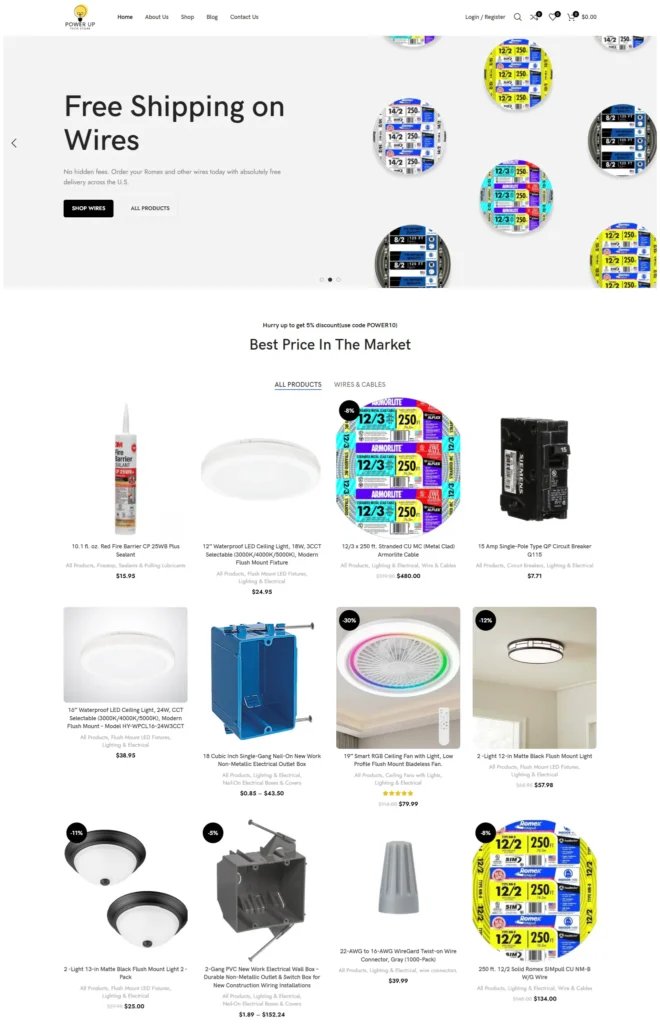
Medical-grade skincare product sales represent a significant margin opportunity for cosmetic medicine clinics, and they extend the clinical relationship between in-clinic treatments by supporting the patient’s skincare at home. A patient who uses a clinic-recommended retinol, vitamin C serum, or SPF product at home is maintaining and enhancing the results of their in-clinic treatments, which improves their outcome satisfaction and their retention as a patient. I build skincare retail sections for cosmetic medicine clinics carrying professional-grade skincare ranges – SkinCeuticals, Aspect Dr, Lycogel, Medik8, or similar – as WooCommerce products with clinical descriptions of each product’s active ingredients and their mechanism of action, suitable skin types and concerns, usage instructions, and the in-clinic treatments they complement. For clinics that dispense products exclusively to patients rather than selling publicly, I build a patient portal product ordering system rather than a public shop, maintaining the professional supply model while providing convenience for existing patients.
Local Aesthetic Medicine SEO That Wins Every Treatment-and-Suburb Search
Cosmetic medicine searches are intensely local and treatment-specific, creating a keyword structure with low-to-moderate competition at the treatment-suburb intersection that most clinics underexploit. “Anti-wrinkle injections [suburb],” “lip filler [city],” “laser hair removal [suburb],” “skin clinic [region]” – these searches represent prospective patients who are ready to book a consultation and are selecting which clinic to contact first based on search results and the trust signals the website provides. I build suburb landing pages for the primary treatment categories and areas each clinic serves, implement the Google Business profile with the correct medical aesthetic service categories, and build a review generation strategy that produces a growing, recent Google review count. In an industry where trust is the primary purchase driver, a clinic with 200 verified Google reviews averaging 4.9 stars has a measurable conversion advantage over a competitor with 20 reviews averaging 4.6 stars, regardless of the relative clinical skill of the practitioners.