The Commission Leak That Hospitality Businesses Ignore
Booking.com, Expedia, and Airbnb charge 15 to 25 percent commission on every booking they send you. For a property generating $500,000 in annual bookings, that is $75,000 to $125,000 in commissions paid to platforms every year. Most hospitality businesses accept this as the cost of distribution – and it partially is. The platforms provide discovery that a standalone website cannot replicate at launch. But a well-built direct booking website, marketed correctly, converts a growing percentage of returning guests and brand-search visitors into commission-free direct bookings. Every direct booking you win back has a 15 to 25 percent better margin than the same booking through an OTA. The website investment pays back quickly when the commission saving is the benchmark.
Direct Booking Engines That Convert Without Redirecting Guests
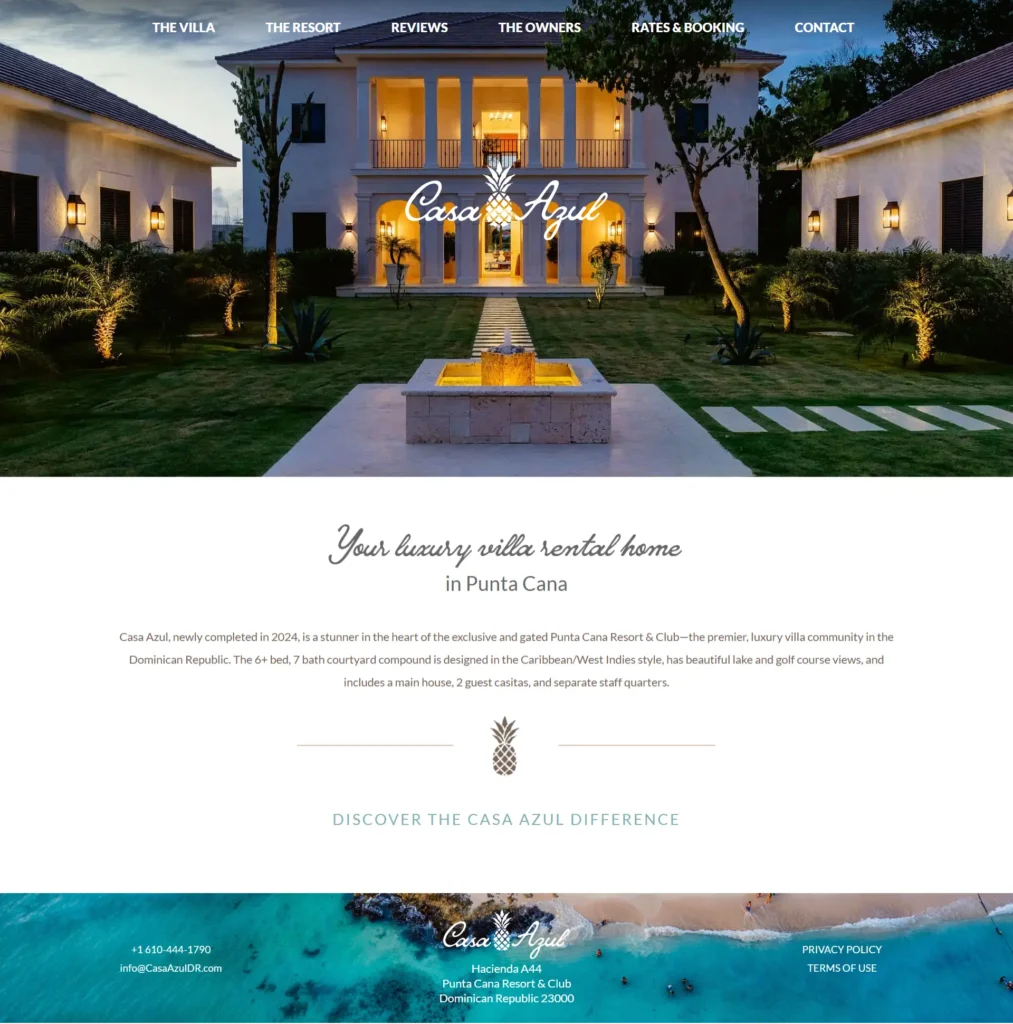
The single biggest technical mistake in hospitality website design is a booking engine that redirects guests to a third-party interface. The guest finds your property, falls in love with the photography, decides they want to stay – and the moment they click “Book Now” they are sent to a generic booking system that looks nothing like your brand and asks them to create an account they do not want. Conversion drops sharply at that redirect. I integrate booking engines that keep the guest on your domain throughout the process – either through embedded widgets from Cloudbeds, Little Hotelier, RMS, or SiteMinder, or through a direct WordPress-native booking solution for smaller properties – so the experience from first impression to booking confirmation feels like one seamless, branded journey.
Room and Experience Pages Built for Aspiration, Not Just Information
Hospitality is one of the few sectors where the website content needs to do two separate jobs at once: inform and inspire. A room page needs to give the guest the practical information they need to decide – size, bed type, occupancy, inclusions, accessibility – while simultaneously making them feel something about staying there. Most hotel and accommodation websites fail at the second job. They list amenities in bullet points and include one hero photo per room. I build room and experience pages with immersive photo galleries, video where available, descriptive copy that paints the experience rather than listing the facilities, and contextual links to the on-property experiences, dining options, and local attractions that complete the stay picture. The page should answer “why should I stay here specifically” before the guest has finished reading.
Local Tourism SEO That Captures Intent at Every Stage of Trip Planning
A guest books accommodation at the end of their trip planning process, but the search journey starts much earlier. “Things to do in [destination],” “best time to visit [region],” “weekend getaway from [city]” – these are searches your property can rank for and use as the entry point to the booking funnel, weeks before the guest is ready to choose accommodation. I build content strategies for hospitality businesses that capture traffic at the destination research phase with genuinely useful local guides, activity recommendations, and seasonal content, and connect that content to your room pages and booking engine through natural internal links. A guest who discovered your property through your guide to hiking trails in your region is a higher-value direct booker than one who found you on Booking.com.
Special Packages, Events, and Seasonal Offers That Drive Direct Bookings
Package deals and seasonal promotions that are exclusively available on your own website give guests a concrete reason to book direct rather than through an OTA. A “Book Direct and Get Breakfast Included” offer, a couples package only available on your website, or an early bird rate exclusive to direct bookers all create a clear value proposition for bypassing the platform. I build promotional page and package display systems in WordPress that your team can update without a developer – new packages, seasonal deals, event-specific rates – with their own landing pages that can be targeted via Google Ads or email to past guests. Each promotional page has its own URL, its own SEO meta, and connects directly to the booking engine for the relevant dates and rate plan.
Multi-Property and Venue Hire Websites for Hospitality Groups
Hospitality groups managing multiple properties, or accommodation venues with events and weddings as a significant revenue stream, need a more complex site architecture. For multi-property groups, a central brand page handles group search and brand trust while individual property pages each rank for their specific location and property type. For venue hire and weddings, the conversion architecture is entirely different from accommodation – longer decision cycles, multiple stakeholder approvals, and a site structure that speaks to both corporate event buyers and couples simultaneously without muddling the message. I design these architectures with clear separation between the audience journeys, ensuring a wedding enquiry and a room booking lead reach their respective conversion points through distinct, purpose-built paths.