
Expert Level 100% Job Success Top Rated

LiteSpeed Developer for Hire

LiteSpeed Cache configured correctly - not just installed. Core Web Vitals, WooCommerce-safe rules, and Elementor CSS handled properly.

4+Years Experience
60+Projects Delivered
100%Job Success Score
5+Years on Upwork
Answer Block

What is LiteSpeed?

What is LiteSpeed and what can it do?

LiteSpeed Cache (LSCache) is a free WordPress caching plugin developed by LiteSpeed Technologies that works in combination with LiteSpeed Web Server to deliver server-level full-page caching, object caching, and a comprehensive suite of front-end optimization tools. On LiteSpeed-powered hosts like Hostinger, NameHero, and Cloudways LiteSpeed plans, it is the most powerful caching option available - faster and more configurable than WP Rocket or W3 Total Cache on the same hosting environment.

LiteSpeed Cache handles full-page cache, browser cache, object cache via Memcached or Redis, CSS and JavaScript minification and combination, lazy loading, image optimization through the QUIC.cloud CDN, database optimization, and critical CSS generation. Used correctly it consistently produces Core Web Vitals scores of 90+ on mobile.

The catch is configuration. LiteSpeed Cache has over 100 settings and the defaults are not optimized. Wrong settings break WooCommerce cart sessions, corrupt Elementor's dynamically generated CSS, serve stale logged-in content to visitors, or break JavaScript-dependent functionality. I have configured LiteSpeed Cache correctly on 60+ WordPress sites across a range of hosting environments, page builders, and e-commerce setups - and I have fixed broken configurations caused by incorrect setup.

Available to clients on Hostinger, NameHero, Cloudways, and any LiteSpeed-powered host in the US, UK, Australia, and Canada. I work remotely across time zones with async communication and deliver full documentation on every project.

Devansh's Expertise

What I Do with LiteSpeed

  • Full LiteSpeed Cache configuration from scratch - cache, CDN, image, CSS/JS, and database tabs
  • WooCommerce-safe cache rules - cart, checkout, and My Account excluded, session cookies handled correctly
  • Elementor CSS caching fix - preventing LSCache from serving stale Elementor stylesheet URLs
  • Object cache setup with Memcached or Redis on supported hosting environments
  • QUIC.cloud CDN configuration for image optimization and global content delivery
  • Critical CSS generation and Above the Fold optimization for LCP improvement
  • JavaScript deferral and delay configuration without breaking page interactivity
  • Cache exclusion rules for logged-in users, query strings, and dynamic pages
  • LiteSpeed Cache conflict diagnosis - identifying when LSCache is causing broken layouts or failed checkouts
  • Database optimization via LSCache - cleaning post revisions, transients, and orphaned meta
Real-World Applications

What I Build with LiteSpeed

Every project ships with clean code, full testing, and clear handover documentation.

Full Performance Setup

Complete LiteSpeed Cache configuration for a WordPress site from scratch. Every tab configured correctly - cache rules, CDN, image optimization, CSS/JS minification, lazy loading, and database cleanup. Target: 90+ PageSpeed on mobile, passing Core Web Vitals on all three metrics.

WooCommerce + LSCache

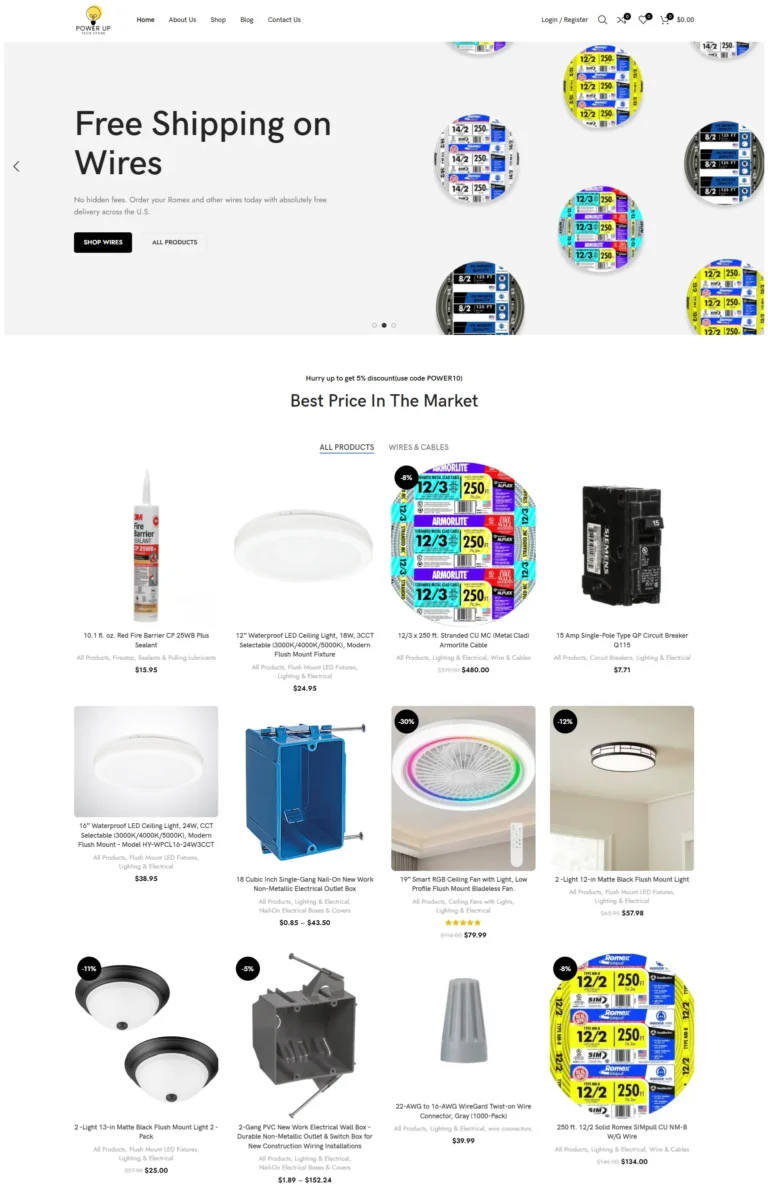
LiteSpeed Cache configured to work correctly alongside WooCommerce. Cart and checkout pages excluded from full-page cache, WooCommerce session cookies handled, product pages cached with correct invalidation rules, and cart fragment AJAX optimized to avoid unnecessary requests.

Elementor + LSCache Fix

The most common LiteSpeed Cache problem with Elementor: LSCache caches the old Elementor CSS URL after a style regeneration, serving broken layouts to visitors. I configure the cache purge rules and exclusion lists to prevent this permanently without disabling CSS optimization.

Core Web Vitals Optimization

LCP, CLS, and INP improvements using LiteSpeed Cache tools - critical CSS generation for above-the-fold rendering, lazy loading for images below the fold, JS deferral for INP, and font preloading to eliminate layout shift. Combined with image optimization via QUIC.cloud.

Broken Cache Diagnosis

Sites where LiteSpeed Cache has been misconfigured - cached pages showing wrong content, logged-in user content leaking to guests, checkout sessions dropping, admin bar appearing for guests, or CSS/JS combination breaking the layout. I diagnose the specific misconfiguration and fix it.

Object Cache Setup

Memcached or Redis object cache configuration on hosting environments that support it. Object caching stores database query results in memory so repeated queries for the same data bypass MySQL entirely - significant improvement for high-traffic sites and WooCommerce stores with large catalogs.

60+Sites Configured
4+Years Experience
100%Job Success Score
90+Avg PageSpeed Score
Portfolio

LiteSpeed Projects

Real work, real results. Every number comes from live client sites.

View Full Portfolio
Expert vs. Generalist

Why Hire a LiteSpeed Expert?

FactorDevanshGeneralist
LiteSpeed experience5+ yearsMixed
Performance optimizationBuilt-inOften ignored
SEO-aware structureAlwaysRare
Troubleshooting conflictsFast, reliableTrial and error
CommunicationClear, async-readyVariable
Upwork track record100% JSS, Top RatedUnverified

LiteSpeed Cache is free and installs in one click. That is the easy part. The default settings are a starting point, not a finished configuration. On a site with Elementor, WooCommerce, and a custom theme, the default LSCache settings will almost certainly break something - usually the Elementor CSS, the WooCommerce cart, or logged-in user caching.

I have seen the same misconfiguration mistakes on dozens of sites: CSS combination enabled without testing which stylesheets conflict, JS deferral applied globally and breaking checkout scripts, cache warmup running too aggressively and hammering server CPU, and QUIC.cloud image optimization converting images that should not be WebP. Each of these takes hours to diagnose without experience.

When I configure LiteSpeed Cache, I test every critical path on the site - checkout, contact forms, login, and any JavaScript-dependent interactivity - before confirming the configuration is safe to run in production. You get a fast site without the broken functionality that usually comes with aggressive caching.

My Commitment to You

I communicate clearly, meet deadlines, and do not disappear mid-project. If something does not work as expected, I fix it. That is why my Upwork score has stayed at 100% across 100+ projects.

Integrations

Works With

WordPress 6.xLiteSpeed Web ServerOpenLiteSpeedHostingerNameHeroCloudways (LS plans)WooCommerceElementor ProBricks BuilderCloudflareQUIC.cloud CDNRedis Object CacheMemcachedRank Math SEO
FAQ

Common Questions About LiteSpeed

If your question is not here, message me via the contact page or WhatsApp. I typically reply within a few hours.

Ask a Question
  • LiteSpeed Cache is a WordPress caching plugin developed by LiteSpeed Technologies that integrates directly with the LiteSpeed Web Server at the server level. Unlike other caching plugins that generate static HTML files and serve them via PHP or Apache rules, LiteSpeed Cache hands the caching off to the LiteSpeed Web Server itself, which is significantly faster.nnWhen a visitor requests a page, LiteSpeed Web Server checks its cache first. If a cached version exists and is not expired, it serves the cached HTML directly without touching WordPress, PHP, or the database. This makes it the most efficient caching method available for WordPress sites on LiteSpeed-powered hosting. The plugin also includes front-end optimization tools for CSS/JS minification, image optimization, lazy loading, and critical CSS generation.

  • On LiteSpeed-powered hosting, LiteSpeed Cache is generally faster than WP Rocket because it operates at the server level rather than through PHP. WP Rocket is a PHP-based caching plugin - it generates cached files and serves them through WordPress, while LiteSpeed Cache hands caching to the web server itself, bypassing PHP entirely for cached pages.nnWP Rocket is the better choice on Apache or Nginx hosting where LiteSpeed Cache cannot use server-level caching, and it has a more polished interface that is easier to configure safely without breaking things. On Hostinger, NameHero, or any LiteSpeed-powered host, LiteSpeed Cache is the right tool and WP Rocket would be redundant. Never run both at the same time.

  • This is one of the most common LiteSpeed Cache problems on Elementor sites. Elementor generates a unique CSS file URL every time you regenerate styles or update a global color. If LiteSpeed Cache has cached the page HTML before the regeneration, the cached version still references the old CSS file URL - which no longer exists. Visitors see a broken layout until the cache is purged.nnThe correct fix has two parts: first, configure LiteSpeed Cache to automatically purge the full page cache when Elementor CSS is regenerated by adding the Elementor CSS directory to the cache purge rules. Second, use LSCache's CSS file exclusion list to prevent Elementor's dynamically generated stylesheet from being cached separately from the page. After these changes, regenerating Elementor styles triggers an automatic full cache purge.

  • Broken WooCommerce checkouts with LiteSpeed Cache almost always come down to one of three causes.nnFirst, the checkout, cart, or My Account pages are not excluded from full-page caching. These pages are dynamic and must never be cached. Add their URLs to the Do Not Cache list in LSCache settings.nnSecond, the WooCommerce session cookie is not configured as a cache-bypass cookie. LiteSpeed Cache needs to know that when the woocommerce_cart_hash or woocommerce_items_in_cart cookie is present, that visitor should bypass the cache entirely.nnThird, the ESI (Edge Side Includes) feature is enabled but not configured correctly for WooCommerce. ESI is a LiteSpeed feature that can serve the cart widget dynamically on cached pages, but it requires specific setup. If misconfigured, it causes cart display and session issues.

  • A safe, effective LiteSpeed Cache configuration follows this order: start with the Cache tab - enable full-page cache, set a reasonable TTL (86400 seconds is standard), and add your dynamic pages (checkout, cart, account, login) to the Do Not Cache URIs list.nnThen configure the CDN tab if you are using QUIC.cloud. For the Page Optimization tab, enable CSS minification first and test before enabling combination - CSS combination frequently breaks layouts and needs exclusion rules per site. For JavaScript, defer is generally safe but delay should be tested carefully on sites with checkout forms or custom JS.nnEnable lazy loading for images, set the image optimization quality to 85 percent WebP, and run a database cleanup. After each change, test the site on mobile and desktop, check the cart and checkout, and verify forms submit correctly.

  • LiteSpeed Cache's full-page server-level caching only works on hosting that runs LiteSpeed Web Server or OpenLiteSpeed. The most common LiteSpeed hosts are Hostinger, NameHero, A2 Hosting (LiteSpeed plans), Cloudways (on LiteSpeed server configurations), and many shared hosting providers in Asia and South Asia.nnOn Apache or Nginx hosting, you can still install LiteSpeed Cache and use its front-end optimization tools (CSS/JS minification, image optimization, lazy loading) but the core server-level page caching will not function. On those hosts, WP Rocket or W3 Total Cache are better choices for page caching. Check with your host whether your server runs LiteSpeed before relying on LSCache for page caching.

  • QUIC.cloud is LiteSpeed Technologies' cloud service that integrates with LiteSpeed Cache to provide image optimization, a global CDN for static assets, critical CSS generation, and DNS-level DDoS protection.nnThe image optimization service converts images to WebP and AVIF format and applies lossy or lossless compression, serving the optimized versions via the QUIC.cloud CDN. For sites with many product images or blog post images, this typically reduces image payload by 40 to 70 percent.nnQUIC.cloud has a generous free tier for most small to medium sites. It is worth enabling for the image optimization alone. The CDN is useful for sites with international audiences but for sites primarily targeting one country, Cloudflare's free CDN combined with LSCache's server-level caching often performs similarly.

  • Yes, and this is actually a very effective combination. LiteSpeed Cache handles server-level full-page caching and front-end optimization, while Cloudflare provides a global CDN, DDoS protection, and edge-level caching for static assets.nnThe configuration requires some care. Cloudflare's cache should be set to Standard or Aggressive mode for static assets, but you must add a Cloudflare Page Rule to bypass Cloudflare's cache for WordPress admin pages, WooCommerce dynamic pages, and any URL containing admin-ajax.php. You should also configure Cloudflare's Rocket Loader carefully - it is often better to disable it when LiteSpeed Cache is handling JS optimization to avoid double-deferring scripts.

  • Object caching stores the results of database queries in memory (RAM) rather than in MySQL, so repeated requests for the same data can be served without hitting the database at all. It significantly improves performance for dynamic sites - particularly WooCommerce stores and sites with heavy plugin usage.nnLiteSpeed Cache supports object caching via Memcached or Redis when the hosting environment provides it. Hostinger and some Cloudways plans support Redis. When object caching is enabled via LSCache, frequently queried data like navigation menus, widget content, and product queries are served from memory instead of MySQL, reducing database load and improving TTFB (Time to First Byte) noticeably on high-traffic sites.

  • LiteSpeed Cache is a tool, not an automatic fix. Installing it without correct configuration often produces little improvement because the optimization features are disabled or incorrectly set by default.nnThe most common reasons for poor scores after installation are: CSS and JS minification not enabled, images not converted to WebP or still loading without lazy loading, no critical CSS generated so the browser blocks rendering on your full stylesheet, large hero images not preloaded causing slow LCP, and render-blocking fonts loading without preconnect hints.nnLiteSpeed Cache needs to be configured per site - there is no single settings file that works everywhere. The correct configuration depends on your theme, plugins, page builder, and hosting environment. If your scores have not improved after installation, the configuration needs tuning, not a different plugin.

Ready to Start?

Let's Build Something Great with LiteSpeed

Tell me what you need. I will give you an honest assessment, a realistic timeline, and a fixed-scope quote. No surprises.

 5.0 on Upwork - Top Rated - 100% Job Success Score