

- Being recommended by AI is an earned channel, not a paid one. There is no shortcut and no ad slot in organic answers.
- The biggest lever sits off your own website: what trusted third parties say about you.
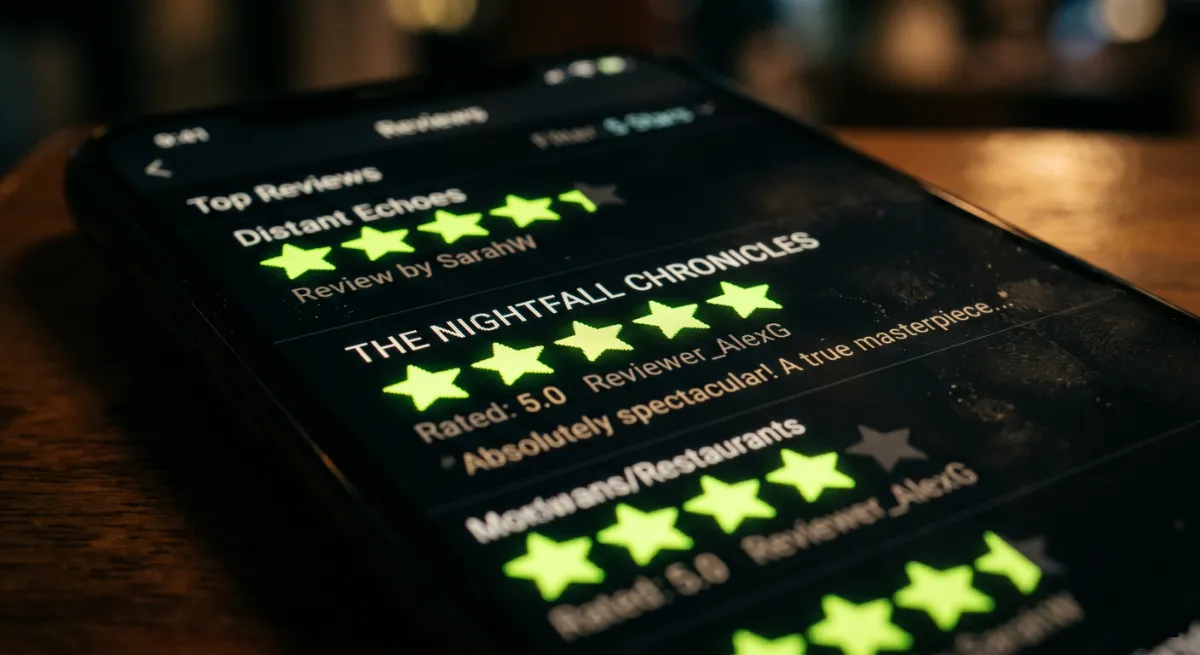
- Reviews on the sites AI references, like Google, G2, and Trustpilot, carry heavy weight, especially volume and recency.
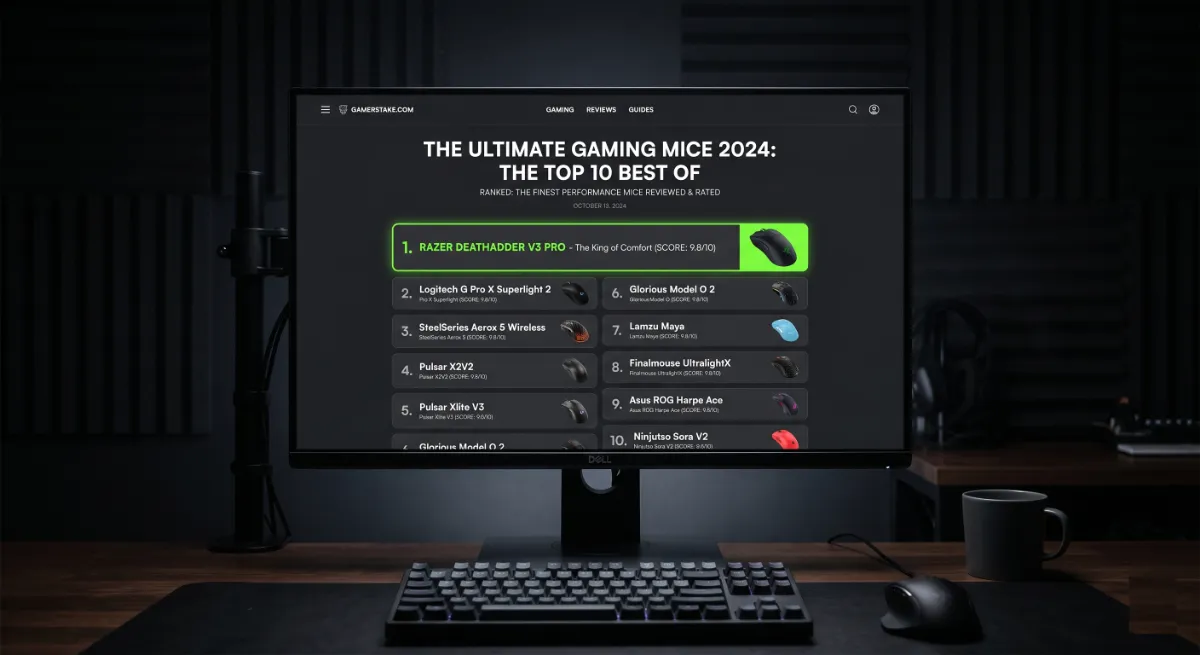
- Getting into roundups, directories, and “best of” lists feeds AI the validation it looks for.
- Results build over months, and answers vary by session, so track trends, not single checks.
Getting recommended by AI is now an earned channel, not a paid one, and the biggest surprise is where the work happens: mostly off your own website. AI leans on what trusted third parties say about you, the reviews, roundups, and directories it already references. Here are seven proven ways to become the business AI names.
Across 100+ WordPress projects, the question has shifted. It used to be “How do I rank on Google?” Now business owners ask how to get their business recommended by AI, because their customers are asking ChatGPT, Gemini, and Perplexity who to hire and what to buy. The good news: the businesses that win are not the ones with the biggest ad budget. They are the ones that earn trust where AI looks for it. Let me show you how.
How does AI decide which businesses to recommend?
AI does not invent recommendations. It assembles them from the web it can reach: live search results, your website, and crucially, what other sources say about you. When you ask ChatGPT for the best option in a category, it leans on rankings, review platforms, directories, roundup articles, and forums, then names the businesses that show up consistently and credibly across them.
Two truths shape everything that follows. First, this is organic, not paid. OpenAI has introduced ads in ChatGPT, but the organic recommendation engine is separate, so you earn your place rather than buy it. Second, it is non-deterministic. Research testing thousands of AI queries found almost no chance of getting the exact same brand recommendations twice, yet well-positioned businesses still appear for the vast majority of relevant questions. The way AI browses the live web is documented in the OpenAI crawler overview, and research on AI visibility shows the gap between businesses that prepare and those that do not is large.
The mindset shift: stop asking what your website says about you, and start asking what the rest of the web says about you. That is what AI repeats.
This matters more every month. A large share of buyers now trust AI answers more than paid ads, viewing the AI as an unbiased third party, and they increasingly start their research by asking an assistant rather than searching. So a recommendation from AI carries real weight, and missing from those answers quietly costs you deals you never see.
How to get your business recommended by AI
Seven moves, ordered so the highest-leverage work comes early. You do not need all seven perfect to start showing up, but the more you cover, the more consistently you get recommended by AI.
1. Make sure AI can find and understand you
None of this works if AI cannot read you. Allow AI crawlers like GPTBot and OAI-SearchBot in your robots.txt and firewall, keep your site fast and crawlable, and make what you do unmistakable. Clear service pages, a strong about page, and consistent business details give AI a clean entity to recognize. If you are blocked or vague, you are invisible before the race starts. My guide on why your website is not showing in ChatGPT covers the technical blockers in detail.
2. Win the reviews AI trusts
This is the heavy lever. AI weighs third-party reviews heavily because they read as unbiased proof of quality. Concentrate on the platforms AI references for your type of business: Google for local and service work, G2 and Capterra for software, Trustpilot and industry sites for many others. Volume and recency matter more than a perfect score. A business with 150 recent reviews at 4.6 stars usually beats one with 20 reviews at 4.9. Ask happy customers consistently, encourage specific detailed reviews, and respond to every one, because AI can read those patterns as a trust signal too.
Match the platform to your business. If you serve a local area, Google reviews and your business profile do the most work. If you sell software, G2 and Capterra are the most referenced. For many service and retail businesses, Trustpilot, the Better Business Bureau, and niche industry directories carry weight. Pick the two or three that fit you and go deep rather than spreading thin across platforms your buyers and the AI never check.
3. Get into the roundups and directories AI reads
When AI suggests businesses, it often pulls from “best of” articles, comparison pieces, and directories. If you are absent from those, you are absent from the recommendation. Find the roundups that rank for your category, pitch to be included, earn mentions in industry publications, and claim and complete your listings in the directories that matter in your niche. Each credible mention strengthens the signal that you belong on the list, which is exactly how you get recommended by AI.
4. Rank for the questions your buyers actually ask
AI’s live search still leans on rankings, so classic SEO remains the foundation. Target the real questions buyers ask before choosing, not just head terms, and rank for them with genuinely useful pages. If you rank well on the search engines AI draws from, you enter the pool of sources it retrieves and quotes. My guide to optimizing WordPress for AI search walks through the full SEO and content setup.
5. Make your content specific and answer-first
Generic category content does not get picked. AI favors pages that speak to specific use cases, customer types, and contexts, and that lead with a clear answer instead of burying it. Write for the exact situations your buyers are in, demonstrate real expertise, and make each key point easy to lift and quote. Depth and specificity are what turn a page into a citable source.
6. Keep your brand consistent everywhere
AI looks for patterns, and inconsistency breaks them. If your business name, address, phone, services, or positioning differ across your site, Google profile, directories, and social accounts, you send mixed signals that erode trust. Use the same core language and details everywhere. Consistency makes you a clear, confident entity that AI can recommend without hesitation.
7. Show up across platforms, not just ChatGPT
ChatGPT leads the market, but your customers also use Perplexity, Gemini, Google AI, and Copilot, and each surfaces businesses a little differently. The good news is the fundamentals overlap, so the work above helps everywhere. Check how you appear across the major engines, not just one, so you are not winning on a single platform while invisible on the rest.
Google deserves special attention, since its AI Overviews reach an enormous audience and pull from the same web signals. Google’s own guidance on AI features confirms there is no secret tag, just strong, helpful, well-structured content. In other words, the same foundation that earns a ChatGPT recommendation tends to earn a Google one too.
My AI Search Optimization service handles the full plan, from crawlability and content to the third-party validation that gets your business recommended by AI.
Check your AI recommendation readiness
Tick everything that is already true. Your score and top priority update live.
The trust signals AI weighs most
If you remember nothing else, remember what AI is actually looking for. These are the signals that decide whether you get recommended by AI, and where to build each one.
| Signal | Why it matters | Where to build it |
|---|---|---|
| Third-party reviews | Reads as unbiased proof of quality | Google, G2, Trustpilot, Capterra |
| Roundups and mentions | Puts you in the lists AI quotes | Industry blogs, “best of” articles, directories |
| Search rankings | Gets you into the retrieval pool | Your website and content |
| Brand consistency | Makes you a clear, trusted entity | Every profile and listing you own |
| Content depth | Gives AI something specific to cite | Use-case and answer-first pages |
Notice that three of the five live off your own website. That is the core lesson: being recommended by AI is won across the whole web, not just on your homepage.

How long does it take, and how do I track it?
Be realistic. Technical fixes like unblocking crawlers work within days, but the authority that earns recommendations, reviews, mentions, rankings, builds over roughly three to six months of consistent effort. Anyone promising instant AI recommendations is selling a shortcut that does not exist.
Because AI answers vary between sessions, judge progress by trends, not single checks. Ask the engines your buyers’ questions on a regular schedule, log whether and how you appear, and watch your AI referral traffic. My guide on how to track brand mentions in ChatGPT shows the exact setup. Track first, improve, then re-check to confirm it worked.
Mistakes that keep you unrecommended
A few habits quietly keep businesses out of AI answers. Avoid these.
- Only optimizing your own site. If your reviews and mentions are thin, your homepage cannot carry you. Build off-site validation.
- Chasing a paid shortcut. Organic recommendations cannot be bought. Effort and trust are the only currency.
- Thin, generic content. AI-written filler and vague service pages give AI nothing specific to cite. Write with real depth.
- Inconsistent details. Mismatched names, addresses, and claims across the web erode the trust AI needs.
- Judging by one check. A single AI answer is noise. Track the trend over weeks.
Avoid these and the fundamentals do their work. Get recommended by AI by being genuinely the most trustworthy, well-documented choice in your field.
Frequently asked questions
How do I get my business recommended by AI?
Make your site reachable and clear, win reviews on the platforms AI trusts, get into the roundups and directories it reads, rank for buyer questions, publish specific content, and keep your brand consistent everywhere. It is earned through trust signals, not bought.
Can I pay to be recommended by AI?
Not in organic answers. OpenAI has added ads in ChatGPT, but the organic recommendation engine is separate. You earn recommendations through authority, reviews, and citations, not paid placement.
What matters most for getting recommended by AI?
Third-party validation. AI weighs what trusted external sources say about you, especially reviews and roundup mentions, more heavily than your own website claims, because it reads as unbiased proof.
How many reviews do I need?
More than you think, and recent. Volume and freshness usually beat a perfect score on few reviews. Aim for a healthy, growing count on the platforms AI references for your industry, and respond to every review.
How long until AI starts recommending my business?
Technical fixes take days, but building the reviews, mentions, and rankings that earn recommendations typically takes three to six months of consistent work. There is no instant route.
Does this work for ChatGPT, Gemini, and Perplexity?
Yes. Each platform has nuances, but the core drivers, content quality, reviews, citations, consistency, overlap heavily, so the same work improves your visibility across all of them.
What if AI says something wrong about my business?
Publish correct, clear information on your own site and get high-authority third-party sources updated. As the engines refresh their data, the accurate version tends to surface over time.
Can you help get my business recommended by AI?
Yes. My AI Search Optimization service builds the full picture, on-site and off, and you can book a free call to start.
Conclusion
Getting recommended by AI is not luck and it is not a trick. It is the payoff for being the most trustworthy, well-documented option in your field, across the whole web. Make sure AI can read you, win the reviews and mentions it trusts, rank for the questions buyers ask, write with real specificity, and keep your brand consistent everywhere. Then track the trend and keep building. Do that and when your customers ask an AI who to choose, your name is the answer.
See the full method in how to optimize WordPress for AI search, compare the disciplines in AEO vs SEO vs GEO, or have me handle it through my AI Search Optimization service.
This article was last reviewed and updated in June 2026 to reflect how AI engines select and recommend businesses.